Accelerate your product vision.

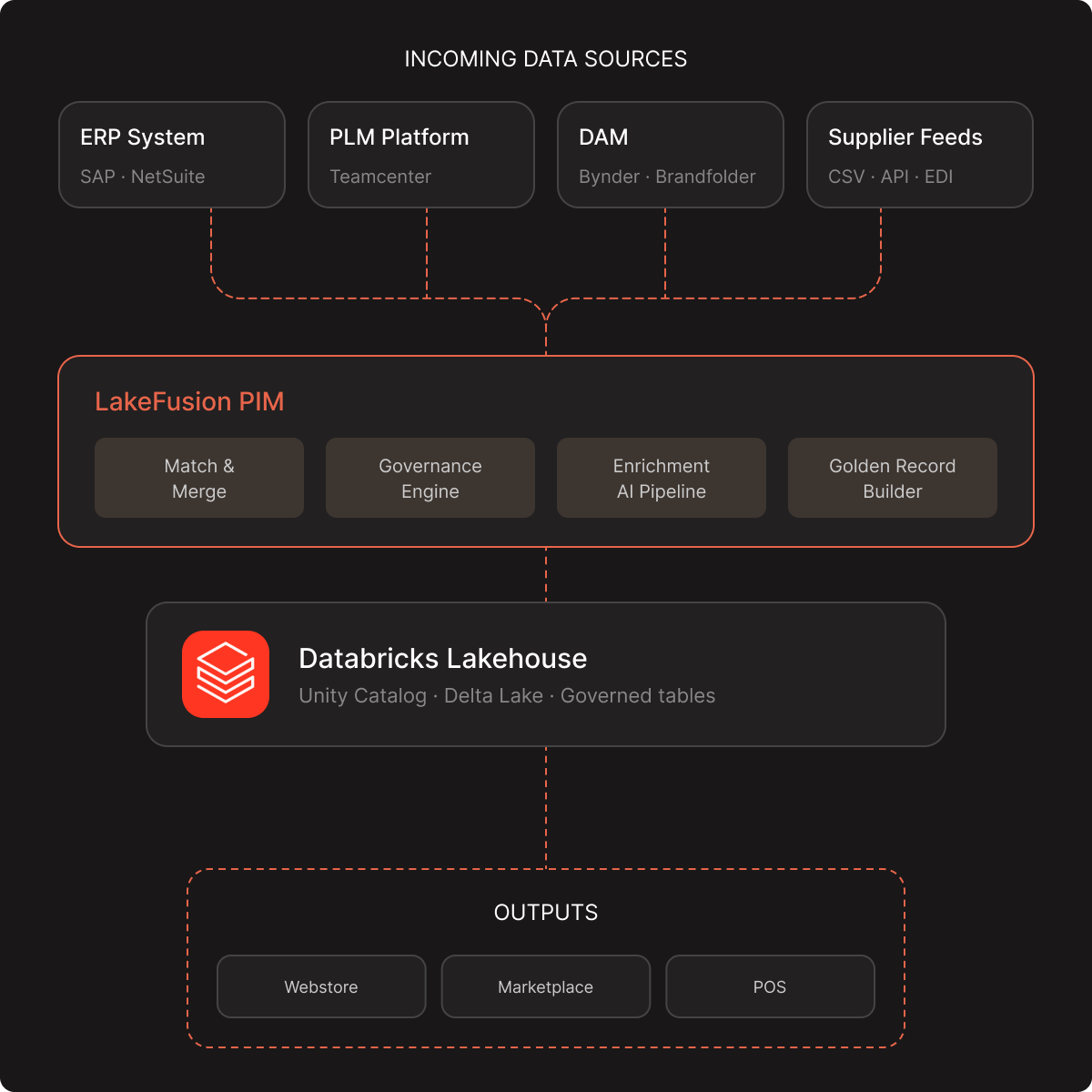
LakeFusion PIM brings product data management closer to the governed data foundation your enterprise already relies on. Built for Databricks, it helps teams organize, enrich, and govern product data in a way that supports business operations, analytics, and AI.

Native to Databricks

LakeFusion PIM is positioned to work within the data
environment your team already trusts, reducing the
need for disconnected product data workflows and
duplicate infrastructure.

AI-centered product data management

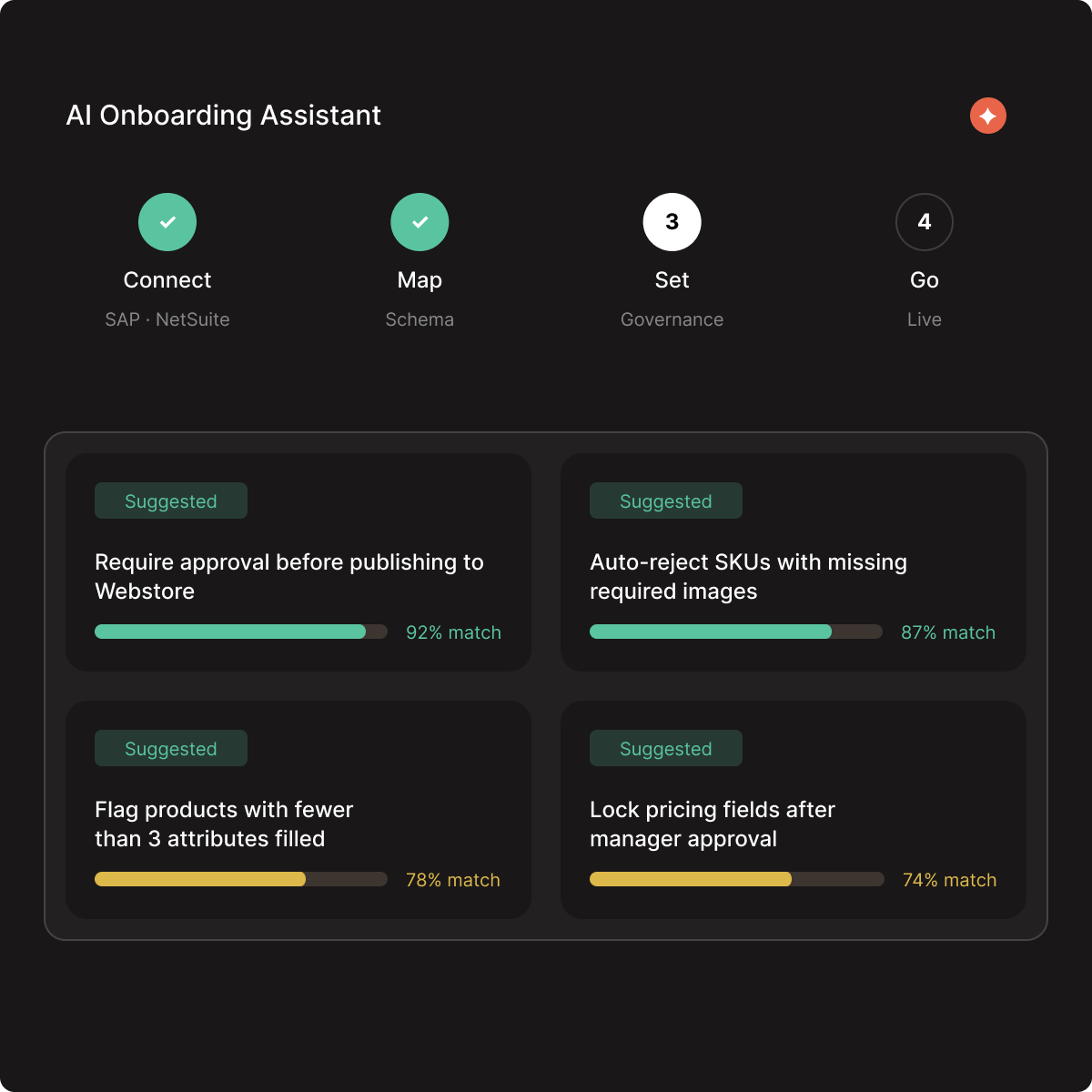
Use AI-assisted match-merge pipelines to onboard,
standardize, govern, and enrich product data more
efficiently across enterprise workflows.

Designed for business teams too

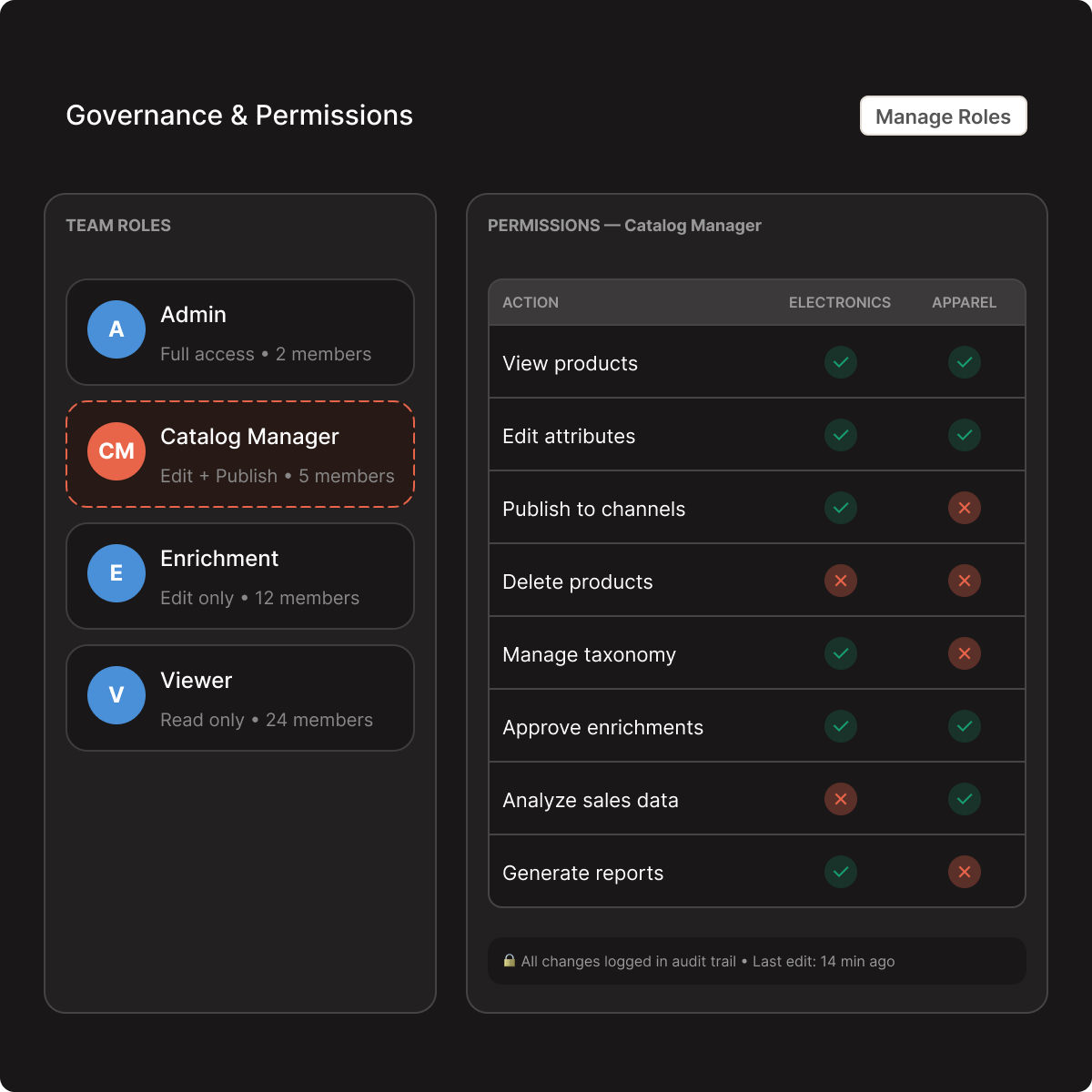
Configurable role-based access, business-friendly
interfaces, and practical modeling tools help business
teams work with product data more confidently and
consistently.

Use cases for product data team managing scale and complexity

Managing complex product catalogs

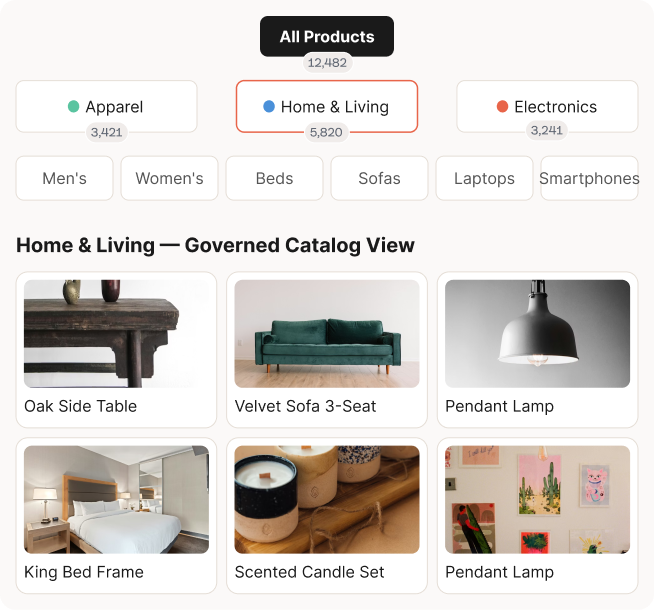
Bringing large, multi-category catalogs into a more governed structure so product data remains easier to manage, review, and operationalize.
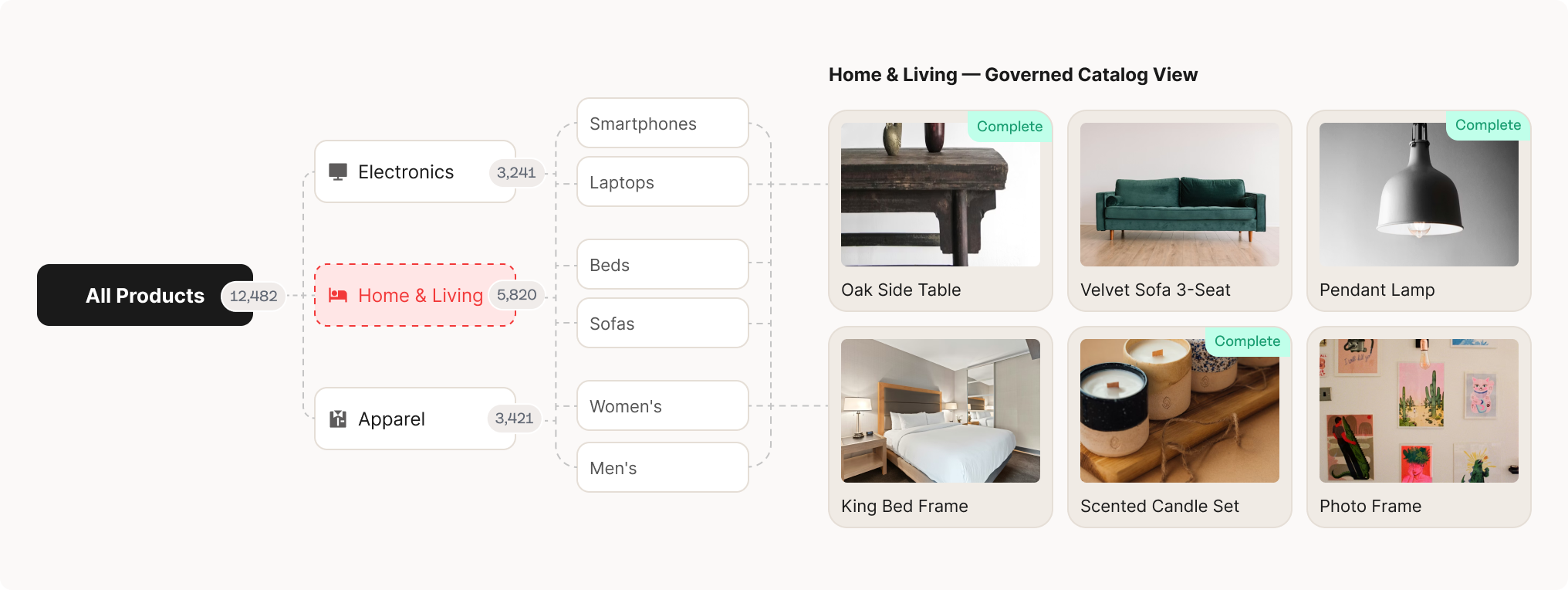
Accelerating time-to-market

Bringing large, multi-category catalogs into a more governed structure so product data remains easier to manage, review, and operationalize.

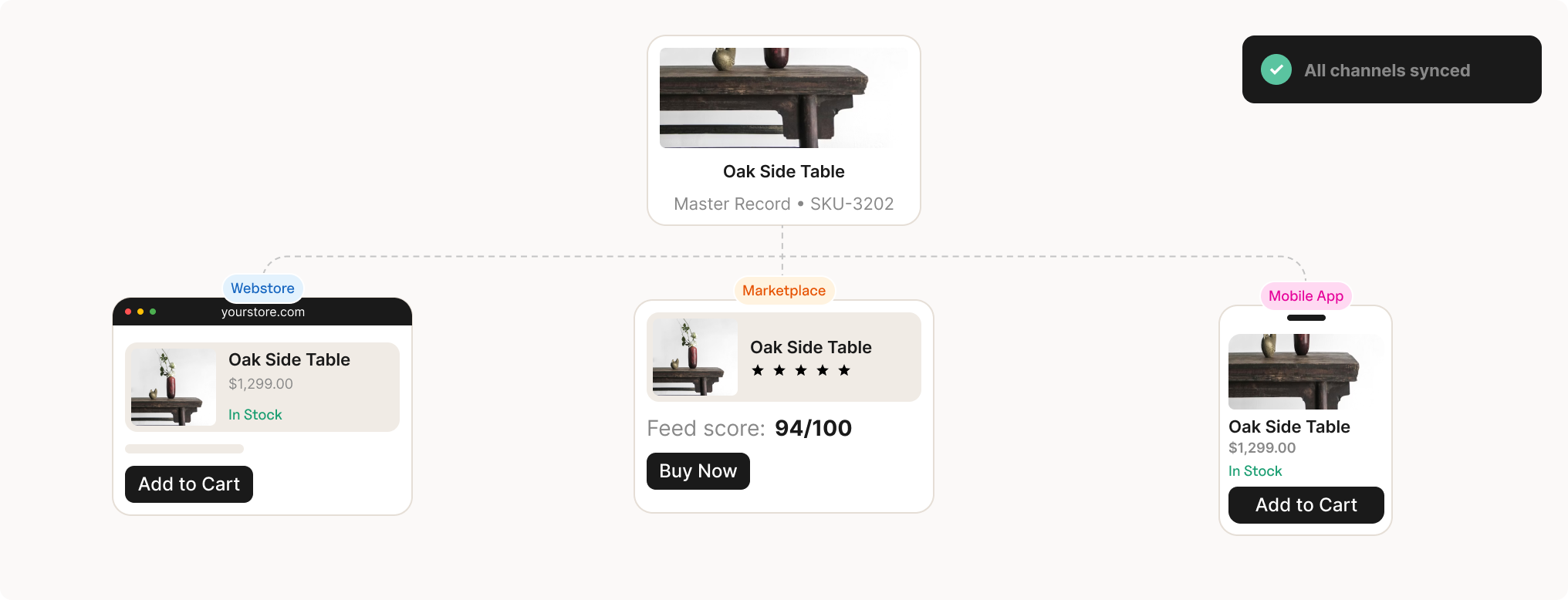
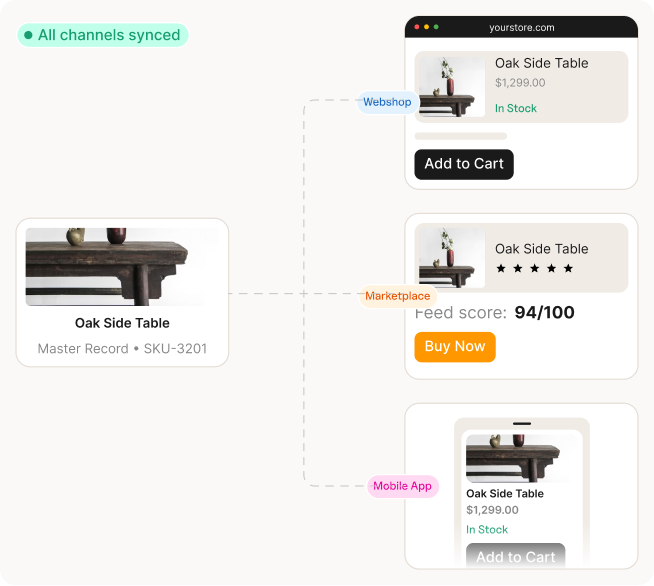
Enabling omnichannel commerce

Bringing large, multi-category catalogs into a more governed structure so product data remains easier to manage, review, and operationalize.

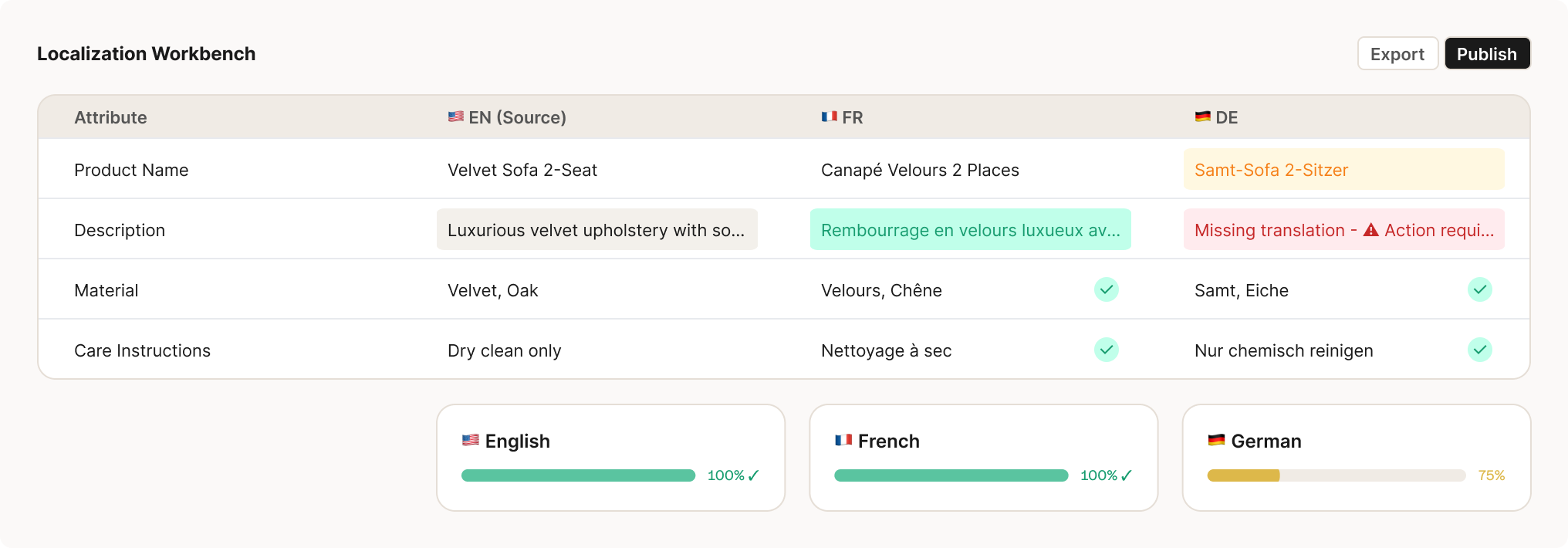
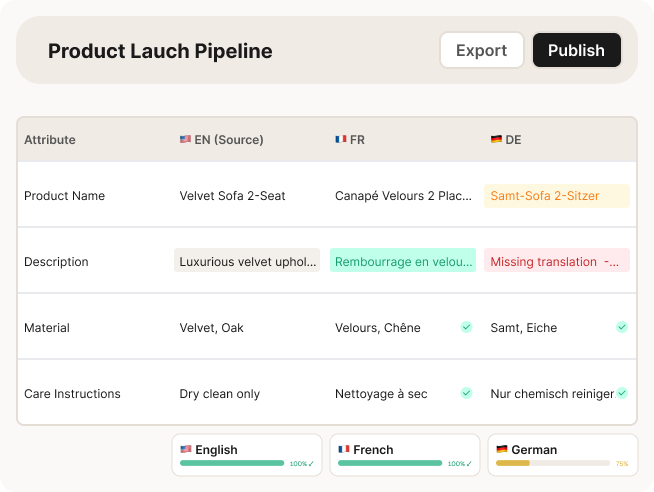
Supporting localization

Bringing large, multi-category catalogs into a more governed structure so product data remains easier to manage, review, and operationalize.

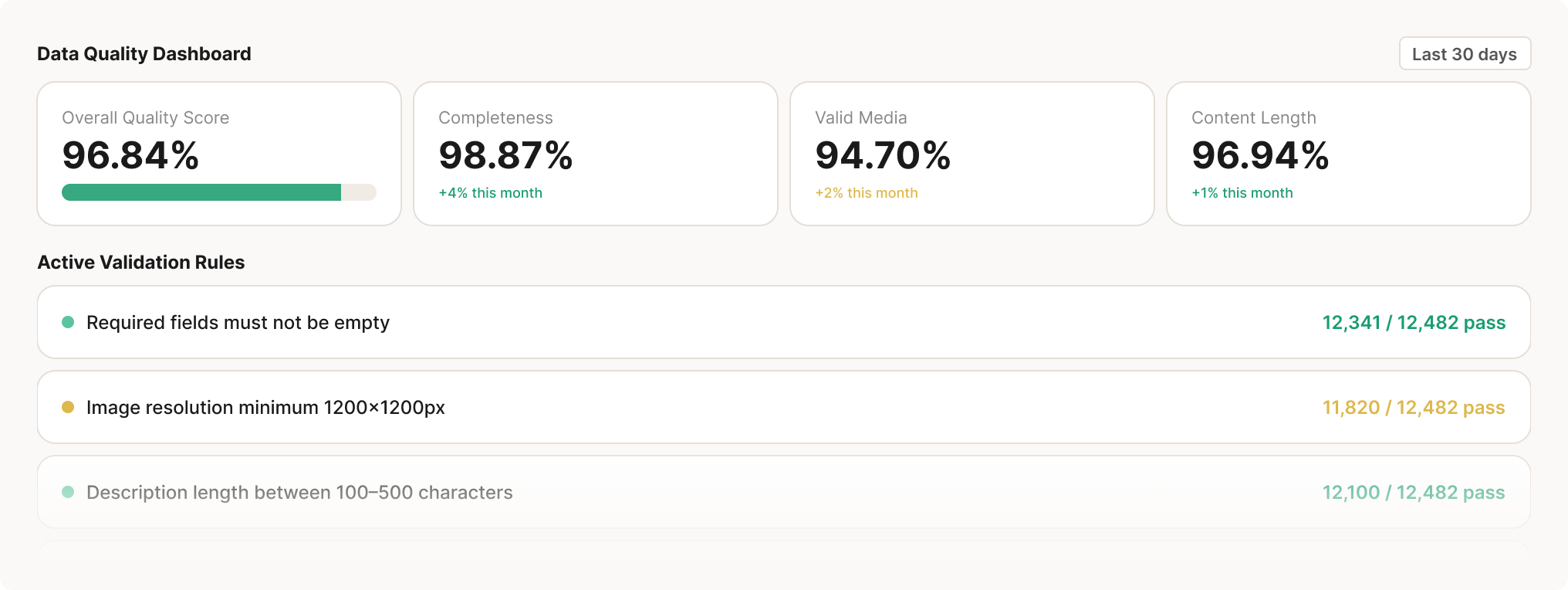
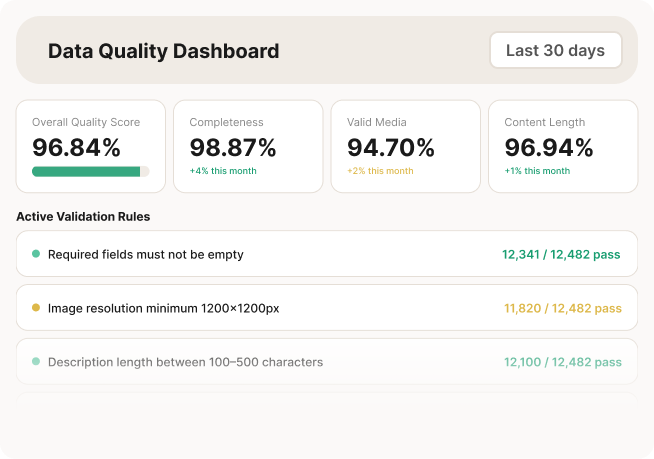
Improving data quality

Bringing large, multi-category catalogs into a more governed structure so product data remains easier to manage, review, and operationalize.

1.
Connect To Your Lakehouse

Point LakeGraph at your Databricks Unity Catalog tables. No data copying — LakeGraph reads governed Delta Lake tables in place, respecting your existing access controls and lineage.

2.
Define Your Graph Schema

Tell the AI what you want to explore, or manually declare how entities connect. LakeGraph builds a persistent graph index using Liquid Clustering — optimized for traversal, not full scans.

3.
Query Relationships

Run multi-hop traversals through a fast interactive query layer. 1-hop in under 5ms, 5-hop in seconds. Results stay inside your Databricks workspace — no egress, no external databases.

4.
Operationalize & Monitor

Feed graph insights into ML pipelines, investigations, and dashboards. LakeGraph syncs automatically as your Delta tables change — keeping your graph fresh without manual rebuilds.

1. Connect To Your Lakehouse

Point LakeGraph at your Databricks Unity Catalog tables. No data copying — LakeGraph reads governed Delta Lake tables in place, respecting your existing access controls and lineage.

2.
Define Your Graph Schema

Tell the AI what you want to explore, or manually declare how entities connect. LakeGraph builds a persistent graph index using Liquid Clustering — optimized for traversal, not full scans.

3.
Query Relationships

Run multi-hop traversals through a fast interactive query layer. 1-hop in under 5ms, 5-hop in seconds. Results stay inside your Databricks workspace — no egress, no external databases.

4.
Operationalize & Monitor

Feed graph insights into ML pipelines, investigations, and dashboards. LakeGraph syncs automatically as your Delta tables change — keeping your graph fresh without manual rebuilds.

1.
Connect To Your Lakehouse

Point LakeGraph at your Databricks Unity Catalog tables. No data copying — LakeGraph reads governed Delta Lake tables in place, respecting your existing access controls and lineage.

2.
Define Your Graph Schema

Tell the AI what you want to explore, or manually declare how entities connect. LakeGraph builds a persistent graph index using Liquid Clustering — optimized for traversal, not full scans.

3.
Query Relationships

Run multi-hop traversals through a fast interactive query layer. 1-hop in under 5ms, 5-hop in seconds. Results stay inside your Databricks workspace — no egress, no external databases.

4.
Operationalize & Monitor

Feed graph insights into ML pipelines, investigations, and dashboards. LakeGraph syncs automatically as your Delta tables change — keeping your graph fresh without manual rebuilds.

1. Connect To Your Lakehouse

Point LakeGraph at your Databricks Unity Catalog tables. No data copying — LakeGraph reads governed Delta Lake tables in place, respecting your existing access controls and lineage.

2.
Define Your Graph Schema

Tell the AI what you want to explore, or manually declare how entities connect. LakeGraph builds a persistent graph index using Liquid Clustering — optimized for traversal, not full scans.

3.
Query Relationships

Run multi-hop traversals through a fast interactive query layer. 1-hop in under 5ms, 5-hop in seconds. Results stay inside your Databricks workspace — no egress, no external databases.

4.
Operationalize & Monitor

Feed graph insights into ML pipelines, investigations, and dashboards. LakeGraph syncs automatically as your Delta tables change — keeping your graph fresh without manual rebuilds.

Put AI to work for you

Translate content with one click

Use LLM-assisted workflows to translate titles, descriptions, attributes, and supporting product content more efficiently for regional teams and localized commerce experiences.

Automatically generate marketing copy

Generate product descriptions, marketing-ready summaries, and channel-specific copy automatically so teams can move faster from product data to publishable content.

Empower your data governance  with AI

Apply AI to matching, standardization, enrichment, classification, and content workflows while keeping product data closer to a governed enterprise foundation.

Legacy tools are slowing
your business down

Fighting data chaos with legacy MDM tools

Matching breaks, rules fail, projects drag for months

Wrong merges and conflicting records everywhere

No trust in the data across teams

Expensive to scale and hard to govern

Not built for the Lakehouse or AI workloads

Powering informed decisions with LakeFusion

Governed automatically through Unity Catalog

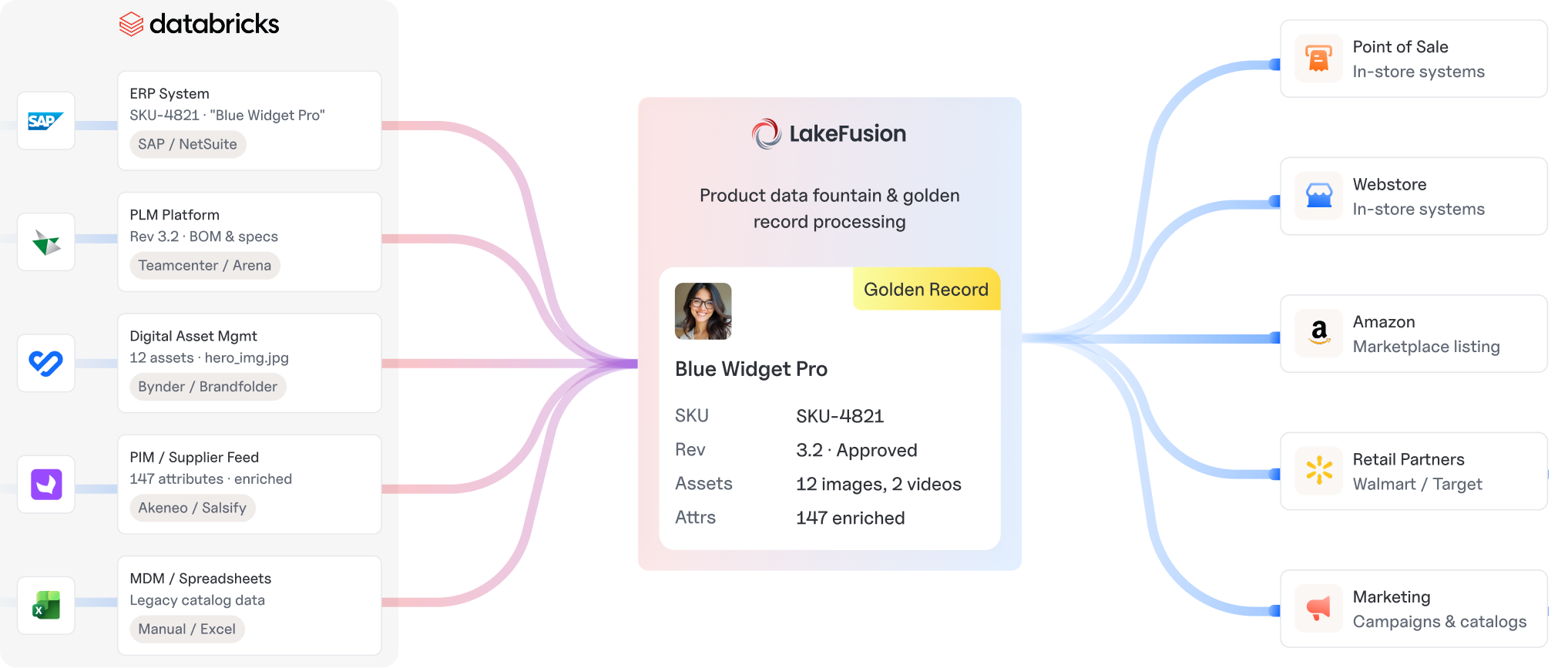
One Golden Record with full lineage

Faster to deploy, easier to maintain

AI powered match and merge

Runs natively on Databricks

A PIM experience designed to support business teams.

For a PIM implementation to succeed, everyone involved in product management from merchandising teams to governance stakeholders needs to be able to work easily in the same tool

Book a demo

Configurable role-based access

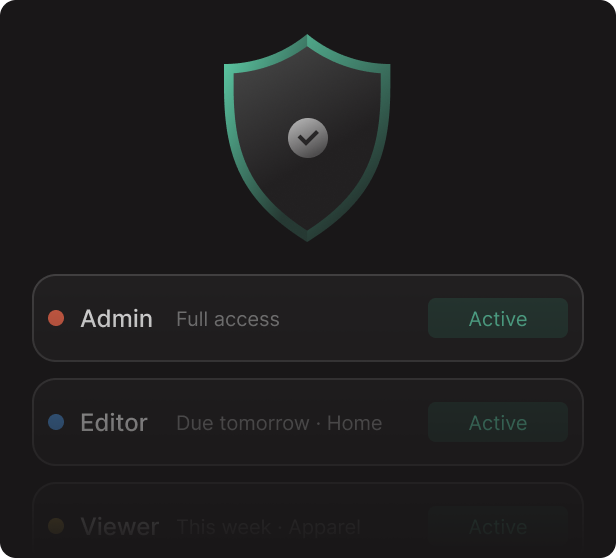
Give each audience a customized view of the data, letting them focus on what's important to them without distractions

Seamless integrations

Our interfaces are designed to work for you, with all the elements laid out in a way that supports ongoing business operations

Built natively for Databricks

Our architecture was specifically designed to make it straightforward for business users to lay out your data model, manage your hierarchies, and review your catalog

Working surfaces inside LakeFusion PIM.

The video shows several working surfaces across the product. This section carries those into the landing page in a clearer, more structured way.

Dashboard
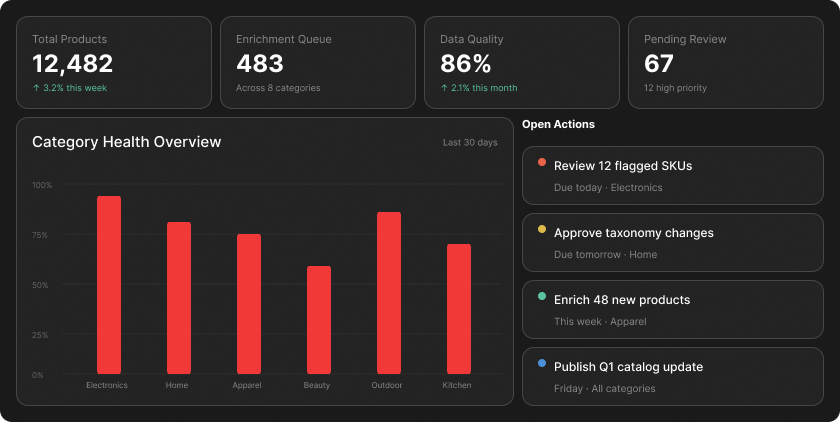
Dashboard

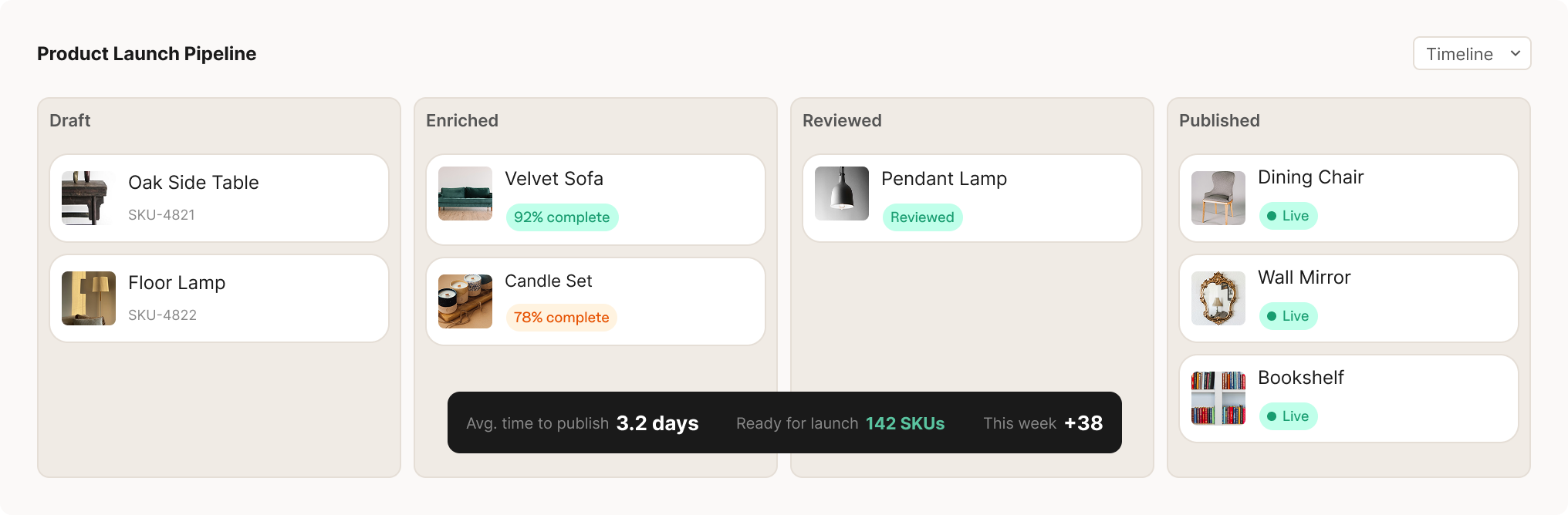
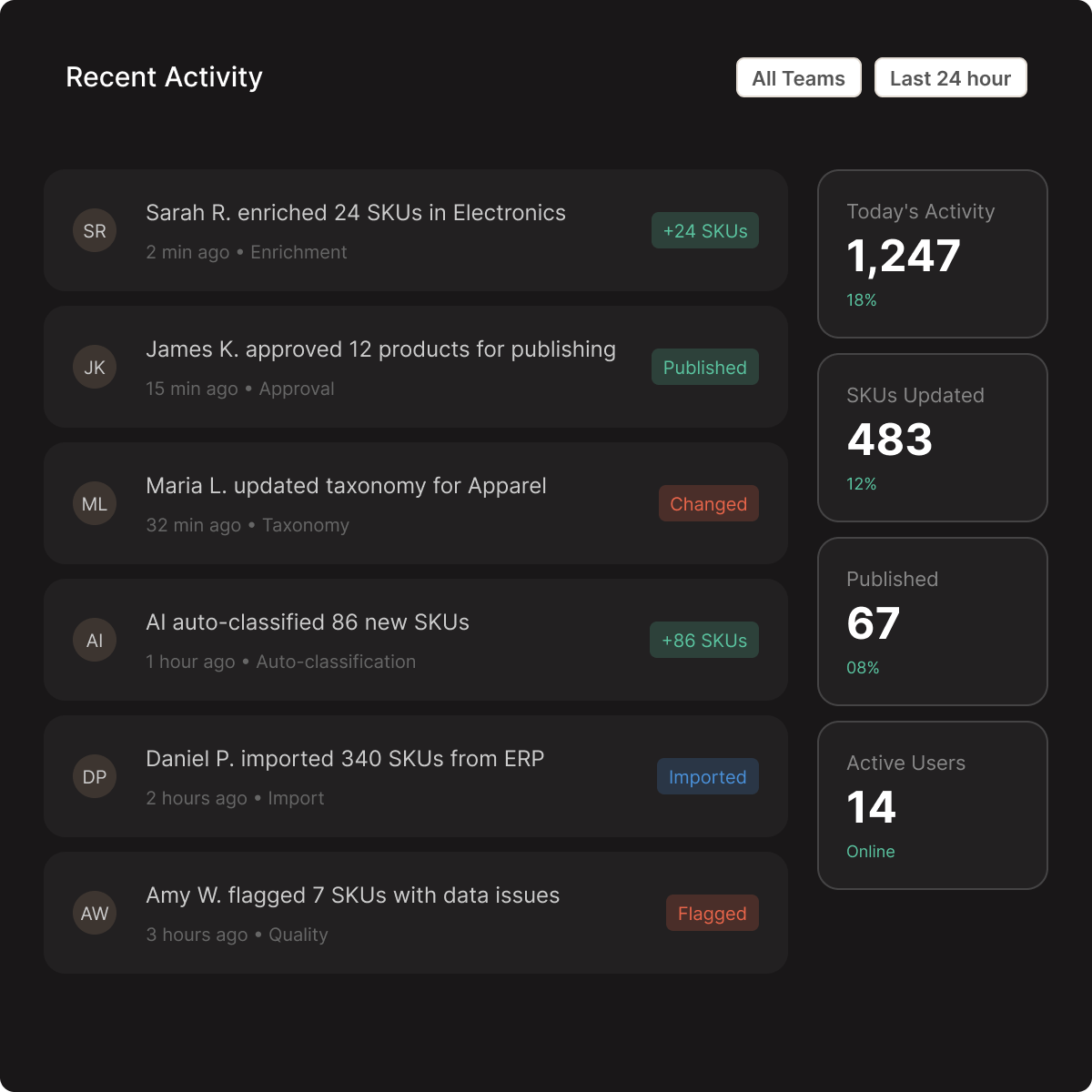
See daily priorities, recent activity, open actions, and category health from a single operational home screen.
Live Catalog
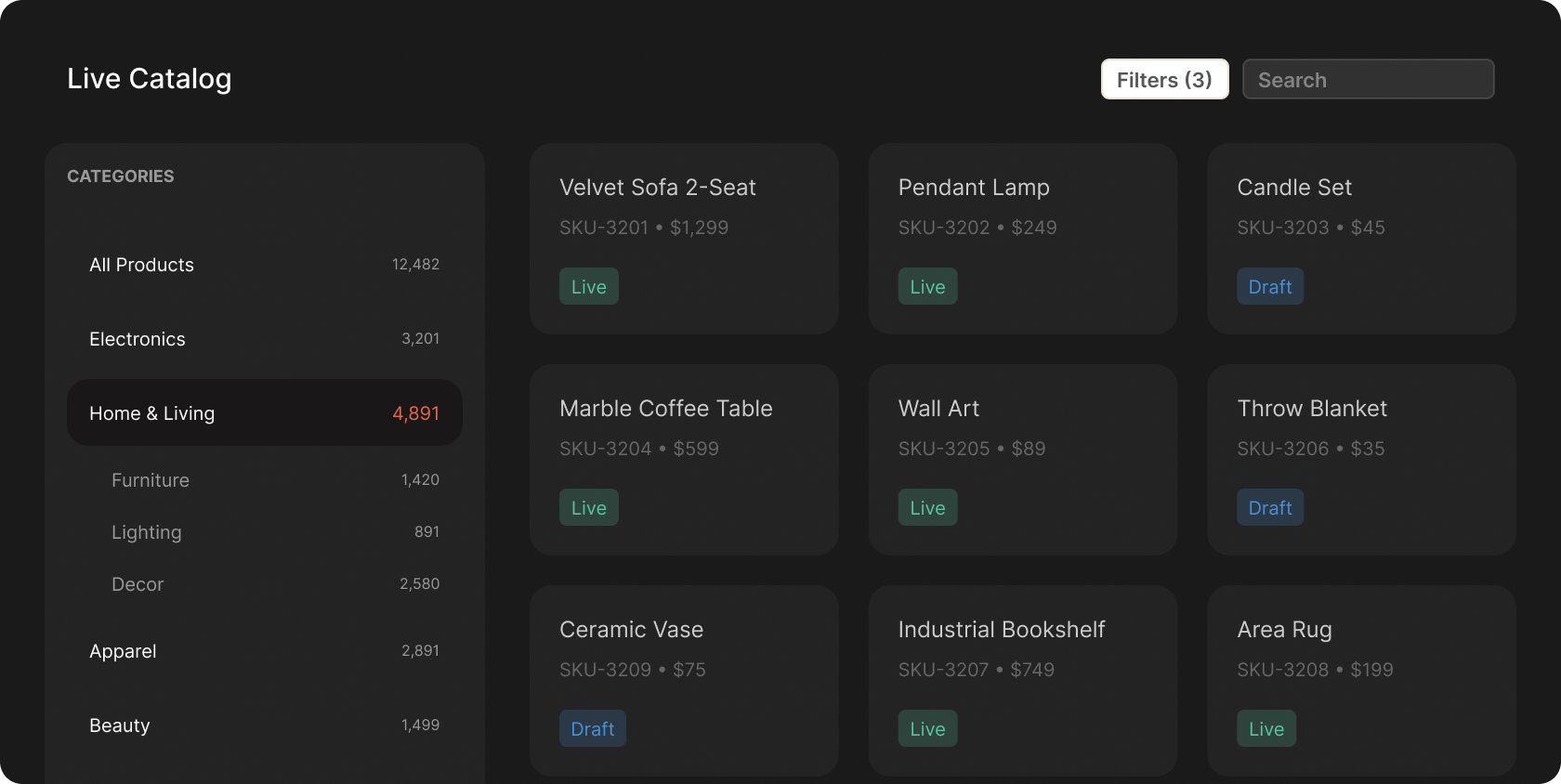
Live Catalog

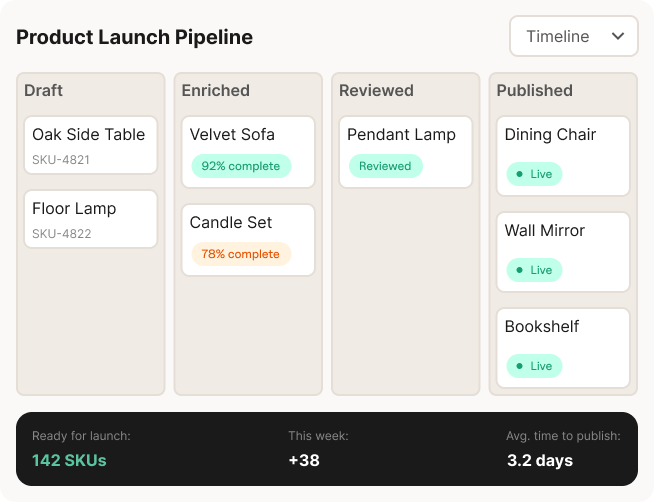
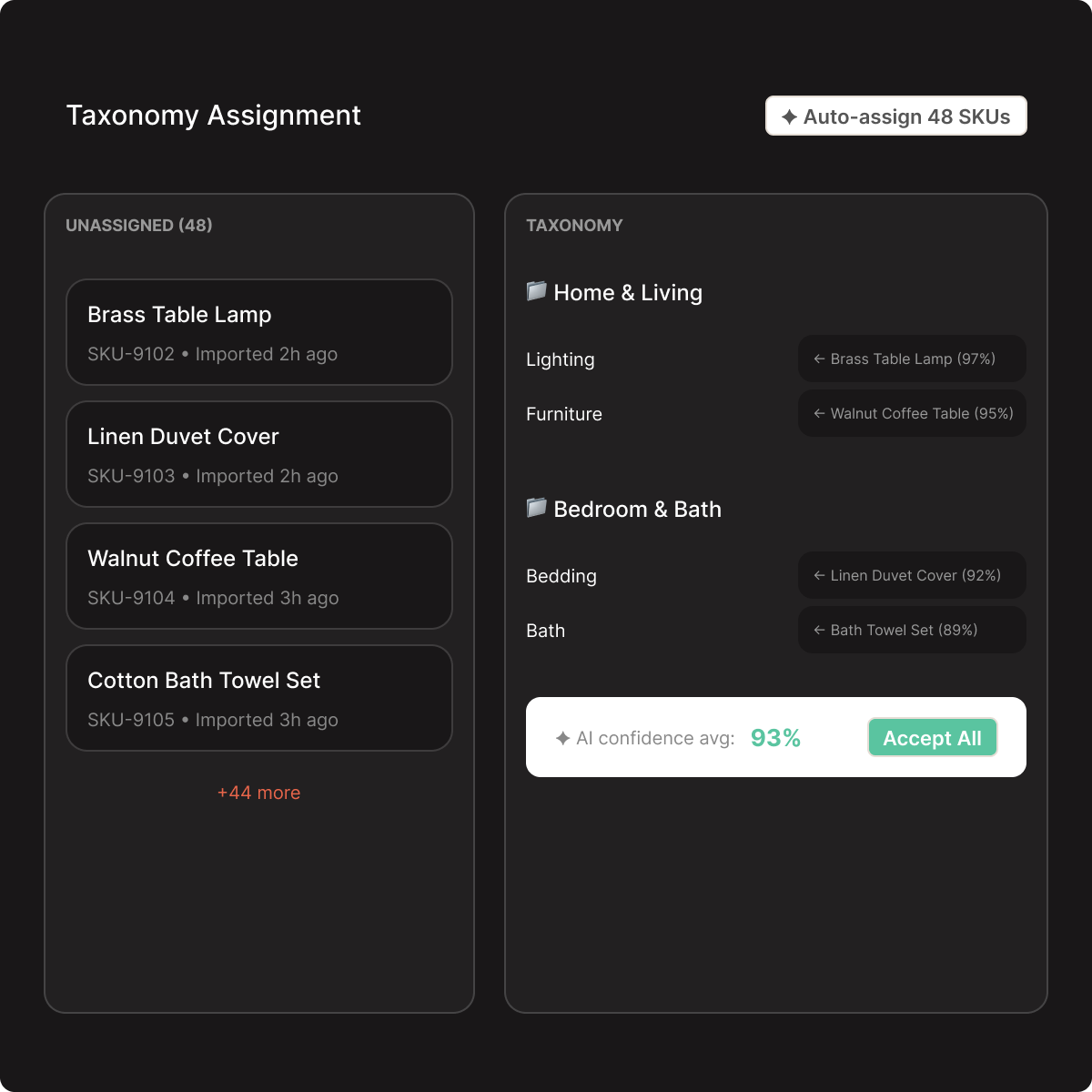
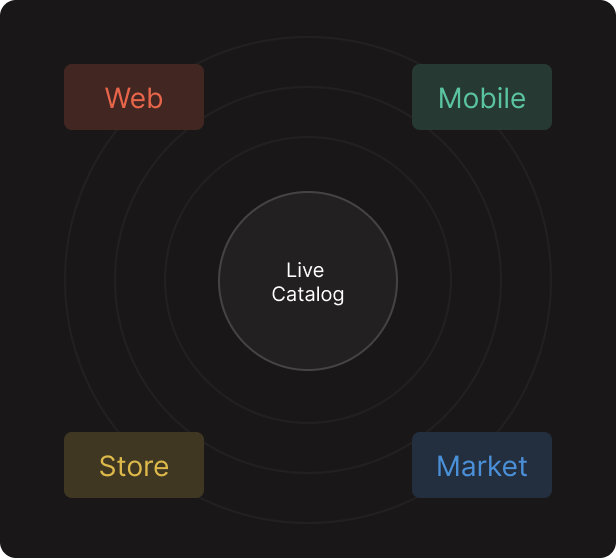
Review products in flow, assign taxonomy, manage status, and keep the active catalog visible to the teams managing it.
Attribute Library
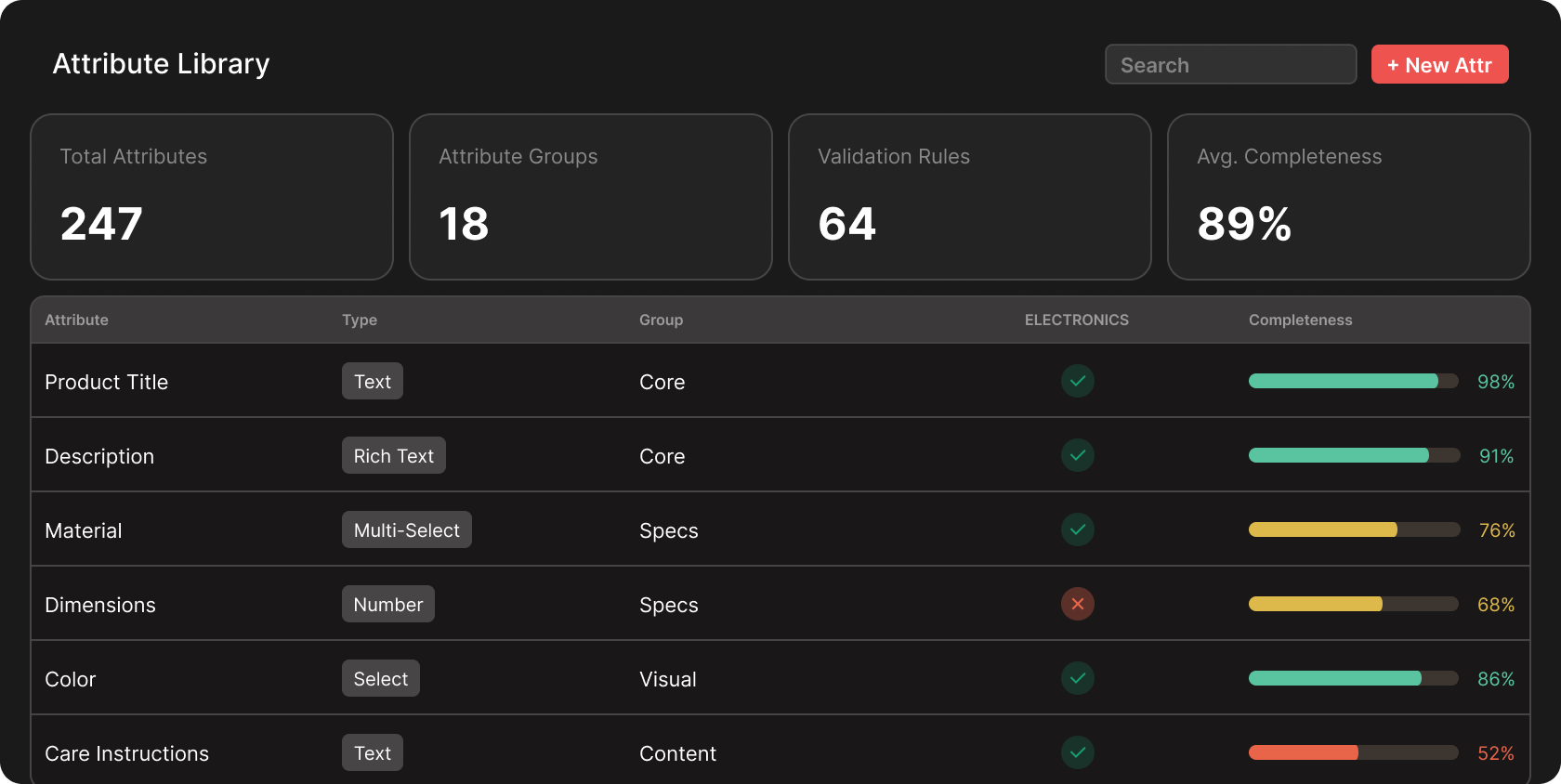
Attribute Library

Maintain the underlying attribute model so governance and catalog operations remain connected through shared definitions.
Product Detail
Product Detail

Edit and review product records with structured fields, completion status, and category-specific controls in one place.

Built for enterprise teams managing product data at scale.

This page is now better aligned to the enterprise teams most likely to care about the product story shown in the video.

Catalog Operations

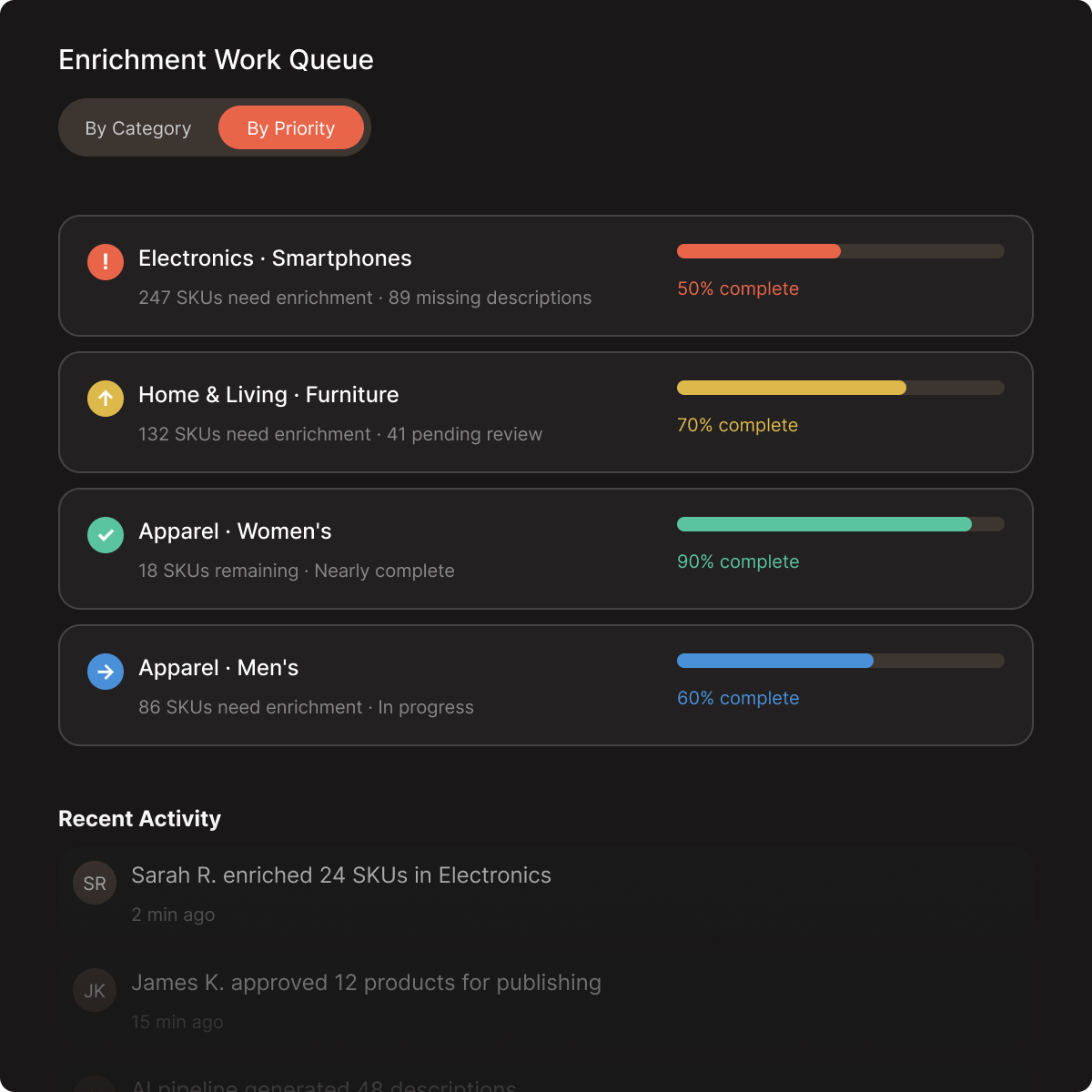
Teams responsible for onboarding, classifying, enriching, and maintaining product records across categories and channels.
Merchandising & Commerce Ops

Operators who need a live catalog, faster SKU readiness, stronger taxonomy alignment, and more reliable product data.
Product Data Governance

Owners of controlled attributes, role- based access, auditability, and the business logic that keeps product data trustworthy.
Databricks-First Data Teams

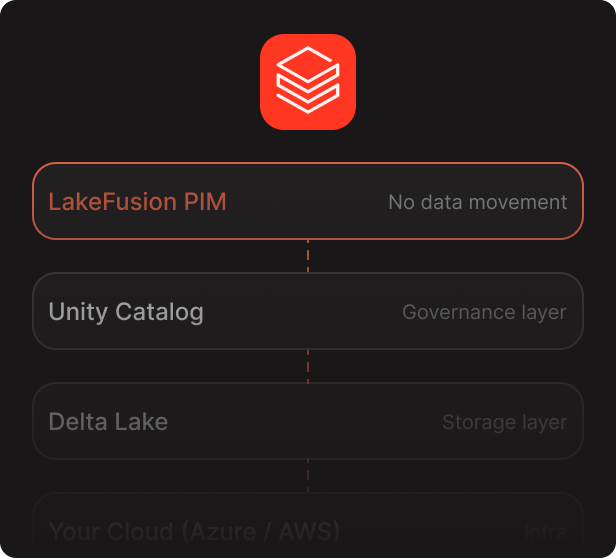
Organizations that want product data management close to their governed data foundation, without introducing migration- heavy side systems.